LauraLynn
Ireland's children's hospice reduced patient admission time by up to 16%, with re-admission time savings reaching 50%.
Ireland's children's hospice reduced patient admission time by up to 16%, with re-admission time savings reaching 50%.

LauraLynn is Ireland's only hospice for children with life-limiting conditions and also provides residential care for young adults with disabilities. They employ approximately 120 staff within their teaching, fundraising and care provision departments.
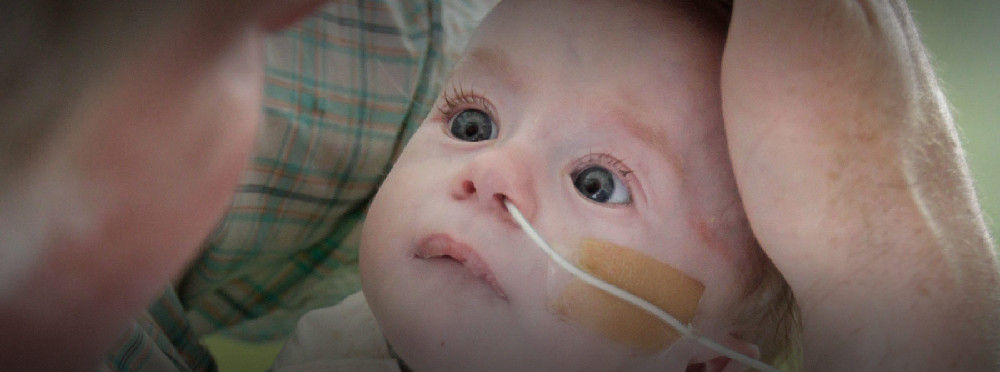
The hospice has evolved over many years, from its beginnings in 1925 as a convalescence home for children from the inner city, to the opening in 2011 of LauraLynn House, a dedicated 8 bed children's palliative care unit. This award winning healthcare building and its everyday operations are funded by the generous support of donors.
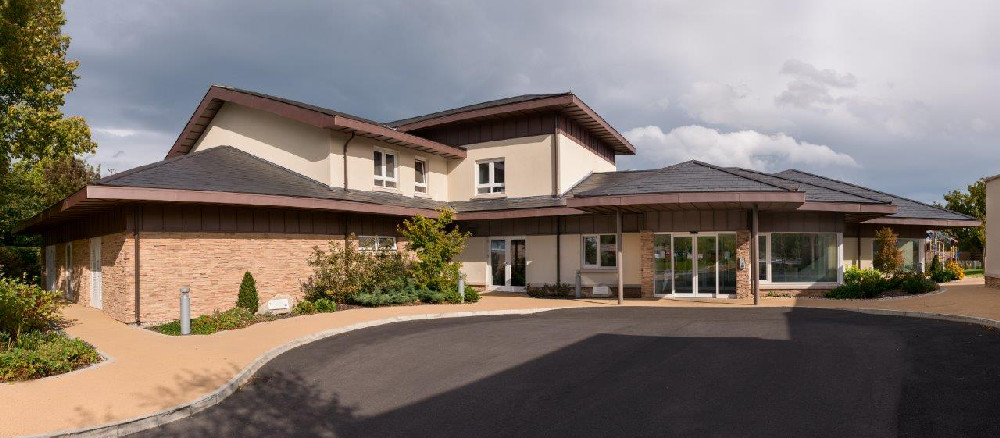
On their 3.6 acre site in Leopardstown, in addition to LauraLynn House are Hazel House, Holly Oaks and Willow View, formerly known collectively as Children's Sunshine Home. Within these residential houses they provide care for young people with intellectual disabilities, with funding provided by the HSE.
A recently established Clinical Education and Research Department provides training programmes tailored to meet the key needs of the evolving disciplines required by health professionals working in the relatively new specialty of children's palliative care.
A global MIS system had been on the cards for almost four years. Here's what motivated the change, and how technology is helping LauraLynn make the most of short and precious lives.
The Challenge
The team at LauraLynn recognised a number of risks in their existing systems, including:
- Handwriting legibility
- Language barriers
- Standardisation of forms — upwards of 90 forms were in use across the various teams: clinical, psychological, social, nursing and more
- Duplication of data
- Time constraints associated with paper-based recording and processing of data
There were also issues with the storage of paper and the amount of space that takes up, along with the underlying fire hazards.
Psychologists and social workers held separate sets of notes on each child — a siloed approach to patient care that was far from ideal. The recording of medical details, treatments and observations was also inconsistent.
There was no method of data analytics: the only way to find out how many patients were resident in a previous month, or how many came from a particular county, was to go and count records manually.
Paper-based referrals brought their own problems too. Referrals could come from anywhere — the referral form was on the LauraLynn website and could be filled in by anyone from a GP to a Jack and Jill carer to a parent or grandparent — with no formal process governing it.
Planning and scheduling respite care for 110 active users was a quarterly exercise that took two clinicians away from patients for up to two days at a time. There are 8 respite beds in LauraLynn House, each child has a yearly allocation of 18–24 nights, and the scheduling exercise involved cross-referencing bed types, equipment needs, age ranges and level of care required — and manually calculating each child's remaining night balance.
The LauraLynn@HOME programme, launched in June 2014, added its own requirements. Its two teams, covering most of Leinster, had no consistent way of sharing information with other home-care organisations or with parents — resulting in duplicate paper records kept by each party and inefficient use of carers' time.
In short, there were numerous areas where an EMR was identified as being able to improve the administration and care of the children and young adults using LauraLynn's services — enough that the project was split into a Phase 1 for the most pressing improvements, followed by a Phase 2 of further enhancements.
The Solution
Four years of planning, and careful consideration of the specific needs of LauraLynn's inpatients, led to a new EMR system built on Sláinte Healthcare's clinician-centric platform, Vitro.
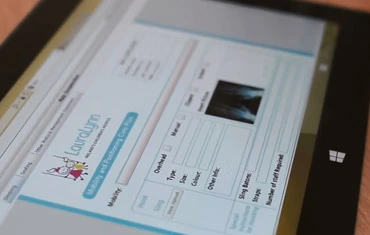
Vitro let LauraLynn digitise their existing forms rather than design new ones staff weren't familiar with. Consolidating the number of forms in use was one of the first tasks — upwards of 90 forms were reduced to 26 for the Phase 1 rollout, with the rest completed manually and scanned into the patient record until they could be digitised.
By the official launch date of 9 June 2015, Phase 1 saw all direct nursing care forms moved into Vitro, with 70 direct care staff involved in the rollout. The forms cover the full pathway of care, from admission and discharge through to feeding records, observation charts, positioning records, dressing requirements and day-to-day patient activities.
To support the LauraLynn@HOME programme, an offline tablet and smartphone-based record update module was added to Vitro. Records for patients due to be seen are downloaded to a device ahead of a home visit, updated in the field, and synchronised on return.
Phase 2 will extend this further with integration for other organisations such as Jack and Jill, parent access to their child's records, electronic referrals, and the respite planning process.
Benefits for Patients
Improved safety — all of the risks outlined above, from handwriting legibility to handover of care, are now managed within Vitro. Mandatory fields on forms mean important information can no longer be left out.
Benefits for Clinicians
- Less time spent on administrative tasks means more time spent providing direct care to the children.
- Standardised care plans that are clear and easy to read let care be provided more effectively and with fewer errors.
- Care plans in Vitro are always clearly outlined and current, so patients are never subject to out-of-date practices.
- Mandatory information fields and signature requirements improve security when amending medication or care plans.
- Records can't be altered without a date stamp, have pages torn out, or be rewritten after the fact — improving accountability for nursing staff and clinicians alike.
Next Steps
In Phase 2, families will see major benefits once the respite planning module becomes available, including an online booking element so families can list the equipment and bed types they need and see available dates.
The admission process itself can currently be laborious for families, who often bring large amounts of equipment with their child. By knowing in advance what equipment each child needs — recorded in their EMR from previous visits or via online respite booking — LauraLynn can look at stocking that equipment in-house, so families don't have to bring it all with them.
All medications prescribed for a child will also be held on record, cutting down the time it takes to admit a child and document what medications they're on and how often they need to be administered.
Conclusion
LauraLynn's implementation of Vitro clearly demonstrates two of the key deliverables of the eHealth Ireland Knowledge and Information strategy:
- Care Delivery Enablement — clinical and care delivery capabilities that systemise previously un-systemised processes, enabling electronic data capture, better quality of care, more clinician time with patients, and greater patient participation in their own care.
- Electronic Health Records — creating and enriching patients' electronic health records at each interaction and across settings, storing detailed care information at activity level, and feeding the summary care record for cross-setting integration.
Phase 2 will address a third: Cross Setting Information Integration — delivering the integration, information flows and process standardisation across care settings needed for a summary care record and seamless patient transitions between settings.
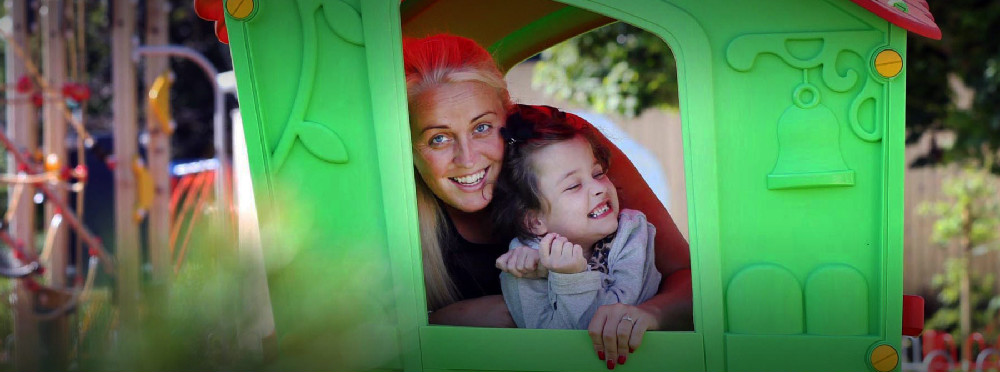
Every moment counts. The momentous endeavours of LauraLynn Children's Hospice in introducing an EMR will help them concentrate on their core values — putting life into a child's day, not days into a child's life, and making the most of short and precious lives.
See how Vitro can support your organisation
Talk to us about a digital medical record built around your care pathways and business rules.